Introduction
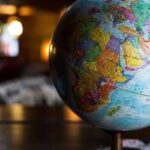
Global politics is undergoing a significant transformation as power becomes increasingly distributed among multiple nations. The traditional dominance of a few major powers is giving way to a more complex international system where emerging economies and regional actors play a greater role in shaping global affairs.
The Rise of Multipolarity
Countries across Asia, Africa, the Middle East, and Latin America are becoming more influential in international decision-making. Economic growth, technological innovation, and demographic advantages are contributing to this shift.
As a result, global governance is becoming more diverse and competitive.
Challenges Facing World Leaders
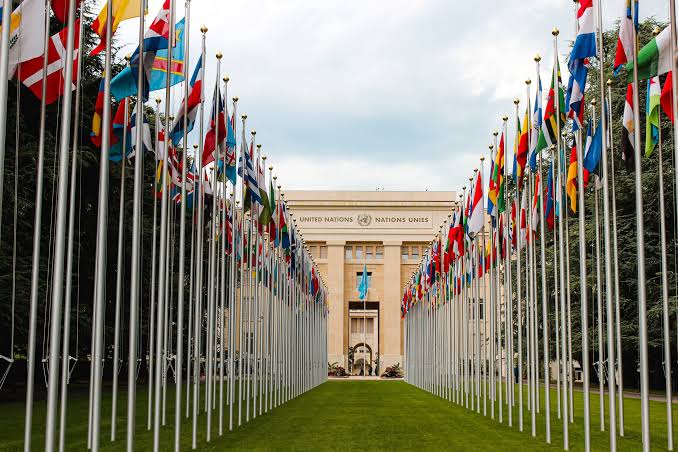
Modern political leaders must navigate a range of challenges, including:
- Geopolitical rivalries
- Climate change
- Energy security
- Cybersecurity threats
- Economic uncertainty
These issues require international cooperation despite growing political competition.
Impact on International Relations
A multipolar world encourages countries to pursue flexible alliances and partnerships. Diplomacy, trade agreements, and regional cooperation are becoming increasingly important tools for maintaining stability.
Conclusion
The future of global politics will depend on how nations balance competition with cooperation. Strong diplomatic engagement and effective leadership will be essential for addressing shared global challenges.