Introduction
Technology has become an integral part of our daily lives, making tasks easier, faster, and more efficient. Smart technology, powered by internet connectivity and advanced software, is transforming homes, workplaces, and cities worldwide. From smart speakers and wearable devices to intelligent home security systems, technology is redefining convenience and connectivity.
What is Smart Technology?
Smart technology refers to devices and systems that can connect, communicate, and perform automated actions based on user preferences or collected data. These technologies often utilize artificial intelligence, sensors, and cloud computing to deliver seamless experiences.

Benefits of Smart Technology
Improved Convenience
Smart devices automate routine tasks, allowing users to control lighting, temperature, security, and entertainment systems from their smartphones.
Enhanced Security
Modern security systems offer real-time monitoring, motion detection, and instant alerts, helping protect homes and businesses.
Energy Efficiency
Smart thermostats and lighting systems optimize energy consumption, reducing utility costs and environmental impact.
Better Health Monitoring
Wearable devices track physical activity, heart rate, sleep patterns, and overall wellness, encouraging healthier lifestyles.
Challenges of Smart Technology
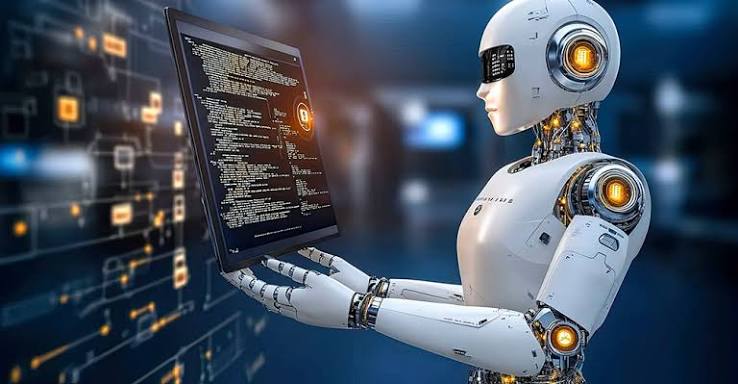
Despite its advantages, smart technology also raises concerns regarding privacy, cybersecurity, and data management. Users must ensure their devices are updated and protected against potential threats.
Future Outlook
As technology continues to evolve, smart devices will become more interconnected and intelligent. The future promises smarter homes, autonomous transportation, and enhanced digital experiences that improve everyday living.
Conclusion
Smart technology is changing how people interact with the world. By embracing innovation responsibly, individuals and businesses can benefit from greater convenience, efficiency, and connectivity in the digital age.