Introduction
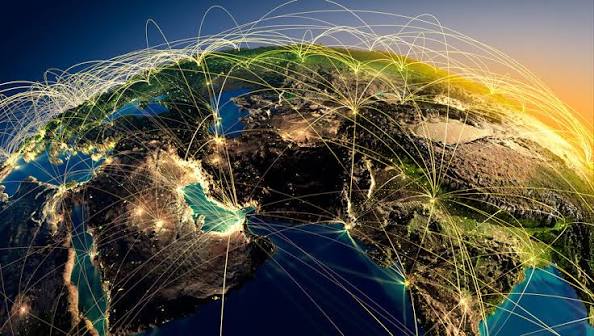
In today’s interconnected world, events in one region can have far-reaching consequences across the globe. Economic shifts, geopolitical developments, technological innovations, and environmental concerns are increasingly influencing international affairs and shaping the future of global cooperation.
Growing Interdependence Among Nations
Globalization has strengthened connections between countries through trade, communication, and investment. While this interdependence creates opportunities for growth and development, it also means that crises can spread more rapidly across borders.
International collaboration has become essential for addressing issues that no single nation can solve alone.
Key Global Challenges
Geopolitical Tensions
Competition for influence, resources, and strategic advantages continues to affect relationships between major powers and regional actors.
Economic Uncertainty
Inflation, supply chain disruptions, and changing market conditions have prompted governments to reassess economic strategies and strengthen resilience.
Climate and Environmental Issues
Extreme weather events and environmental degradation are encouraging countries to invest in sustainable solutions and green technologies.
Cybersecurity Threats
As digital connectivity expands, protecting critical infrastructure and sensitive information has become a top priority for governments worldwide.
Opportunities for International Cooperation
Despite challenges, significant opportunities exist for collaboration in areas such as:
- Renewable energy development
- Scientific research and innovation
- Public health initiatives
- Digital transformation
- International trade and investment
These partnerships can promote economic growth and improve living standards across regions.
The Importance of Diplomacy
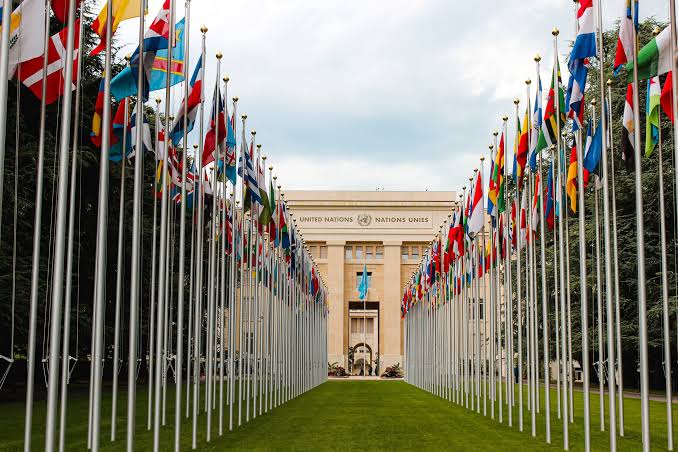
Diplomatic engagement remains one of the most effective tools for preventing conflict and fostering cooperation. Through dialogue and negotiation, countries can address differences while pursuing shared objectives.
Strong diplomatic relationships contribute to regional stability and global peace.
Looking Ahead
The future of international affairs will depend on how effectively nations respond to emerging challenges while embracing opportunities for collaboration. Success will require visionary leadership, innovative policies, and a commitment to international cooperation.
Conclusion
International affairs continue to shape the political, economic, and social landscape of the modern world. Understanding global developments and encouraging constructive engagement among nations will be essential for building a more secure and prosperous future for all.