Introduction
Pakistan occupies a strategic position at the crossroads of South Asia, Central Asia, and the Middle East. Its geographical location, population size, and economic potential make it an important player in regional and international politics.
Strategic Significance
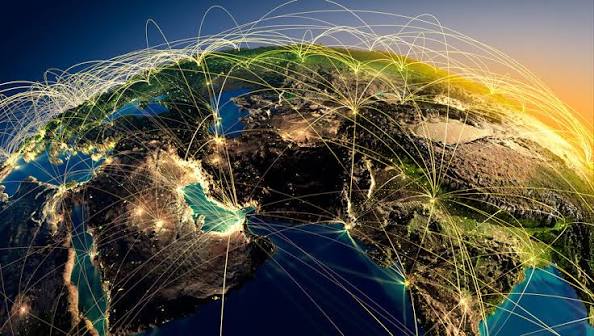
Pakistan serves as a vital link connecting major regional markets and trade routes. This position provides opportunities for economic cooperation and regional integration.
Foreign Policy Priorities
Pakistan’s foreign policy focuses on:
- Regional stability
- Economic cooperation
- Trade expansion
- Energy security
- International partnerships
These priorities aim to support national development and strengthen international relations.
Economic Diplomacy

Increasingly, economic diplomacy has become a central component of foreign policy. Expanding exports, attracting investment, and enhancing regional connectivity are important objectives.
Challenges and Opportunities
Pakistan faces challenges related to regional security, economic competition, and global uncertainty. However, opportunities exist through trade partnerships, infrastructure development, and technological advancement.
Looking Ahead
As global political dynamics continue to evolve, Pakistan’s ability to engage constructively with regional and international partners will remain crucial for its economic and political development.
Conclusion
Pakistan’s role in international affairs extends beyond geography. Through diplomacy, cooperation, and strategic engagement, the country can contribute to regional stability and global progress while advancing its national interests.