Introduction
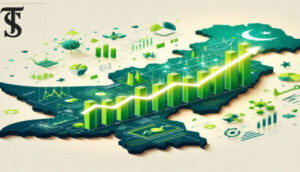
Pakistan’s economy plays a crucial role in shaping the country’s development, employment, and living standards. As one of South Asia’s largest economies, Pakistan possesses significant potential due to its strategic location, youthful population, and diverse economic sectors. However, it also faces challenges that require effective policies and long-term planning.
Key Drivers of the Economy
Agriculture, manufacturing, and services remain the backbone of Pakistan’s economy. The agricultural sector supports millions of livelihoods, while industries such as textiles, cement, and pharmaceuticals contribute substantially to exports and economic growth.
The services sector, including banking, telecommunications, and information technology, has emerged as an increasingly important contributor to national income.
Major Economic Challenges
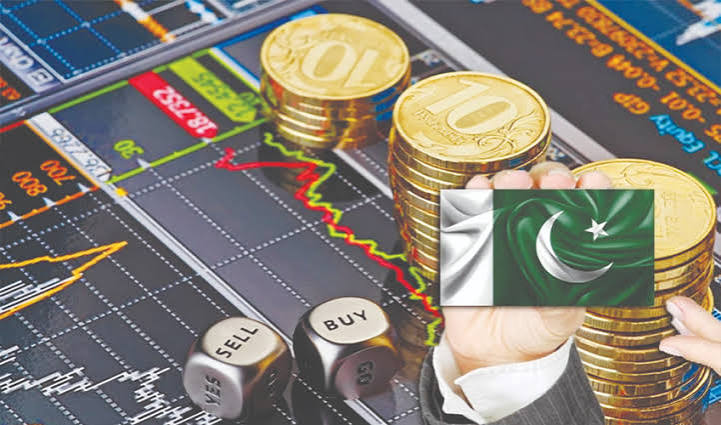
Pakistan continues to face several economic challenges, including:
- Inflation and rising living costs
- Fiscal and trade deficits
- Energy shortages
- Currency fluctuations
- External debt pressures
Addressing these issues is essential for achieving sustainable growth and economic stability.
Emerging Opportunities
Despite challenges, Pakistan offers considerable opportunities in technology, renewable energy, infrastructure development, and digital entrepreneurship. Growing internet penetration and a young workforce are creating new possibilities for innovation and investment.
Conclusion
Pakistan’s economic future depends on effective governance, policy reforms, and investment in human capital. With the right strategies, the country can unlock its potential and achieve long-term prosperity.