Introduction
Pakistan’s political system has evolved significantly since independence. Democratic institutions, political parties, and constitutional frameworks continue to shape the country’s governance and public policy decisions.
The Role of Political Parties
Political parties serve as the foundation of democratic participation. They represent diverse interests, develop policy agendas, and provide citizens with choices during elections.
Strong political institutions help ensure accountability and effective governance.
Key Challenges
Pakistan’s political environment faces several ongoing challenges:
Economic Governance
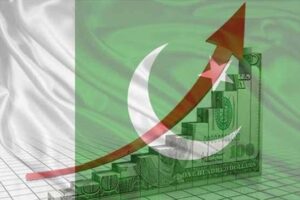
Managing inflation, employment, and economic growth remains a priority for policymakers.
Institutional Strengthening
Improving transparency, accountability, and public trust is essential for democratic progress.
Public Service Delivery
Citizens increasingly expect better education, healthcare, infrastructure, and public services.
Opportunities for Reform
Technology, digital governance, and greater civic engagement offer opportunities to improve government efficiency and strengthen democratic institutions.
Conclusion
The future of Pakistan’s democracy depends on institutional stability, constructive political dialogue, and policies that address the needs of its citizens.